


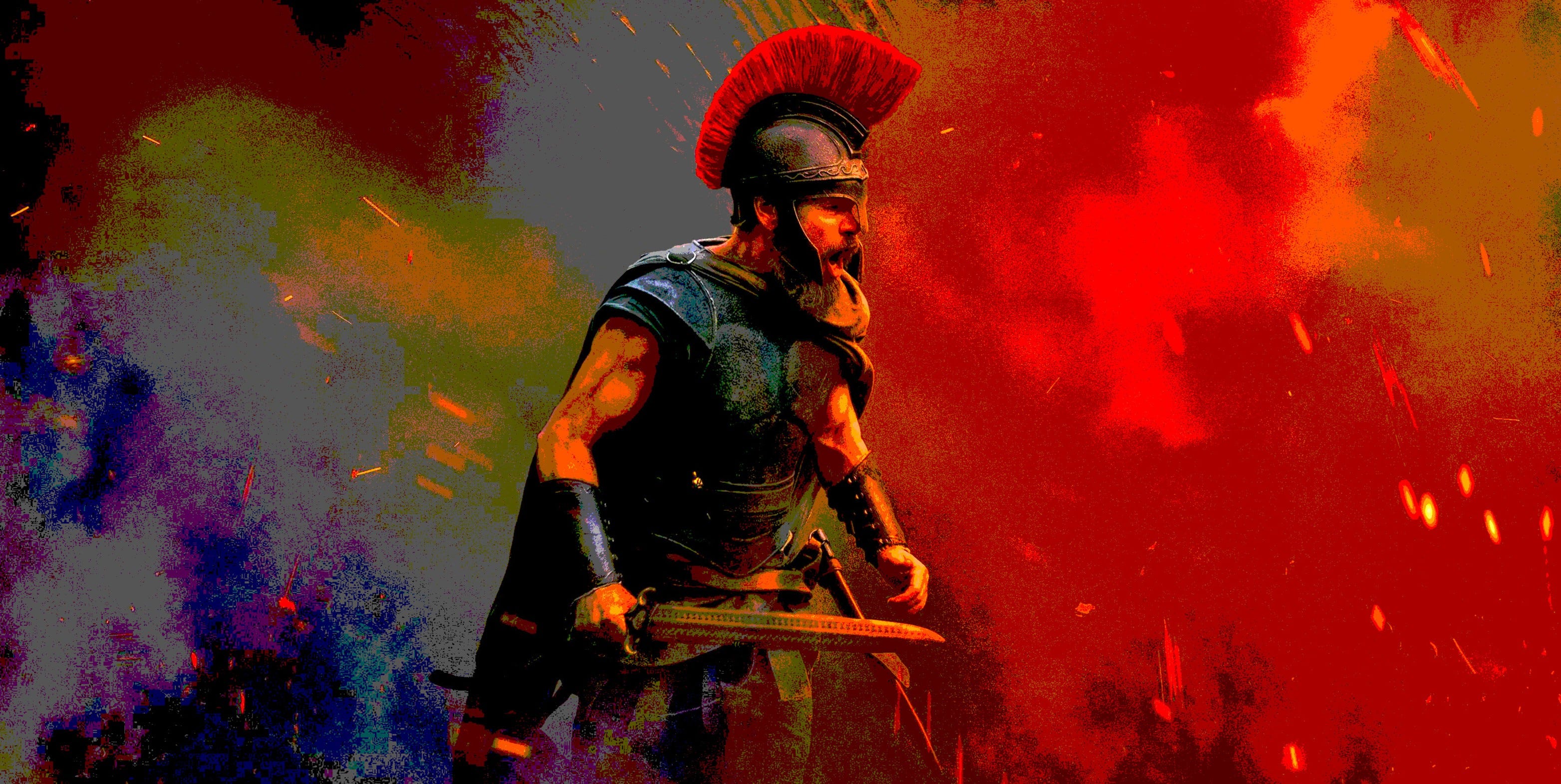
The Odyssey has an unmatched position in worldwide literature: the foundational tale of western civilisation, its set of meanings and nuances is incredibly dense. It is no wonder that an adaptation of it would be polarising from the start, because, truthfully, it is a poem impossible to fully adapt in its scope. Therefore, it should not surprise that, in approaching the work, Christopher Nolan’s choice is that of a reframing.
Readers of the original work will bitterly face the fact that the non-linear structure is not left intact: three hours, afterall, do not provide enough space for the complex range of narrative frames and episodes to appear fully. In a way, the film appears as a half-forgotten reminiscence of the poem’s storyline, reproducing its key plot points but within a slightly altered structure - not too dissimilar from the very process of collective memory that has reshaped the work for centuries, though Nolan may probably not be self-aware of this implication of his choice.
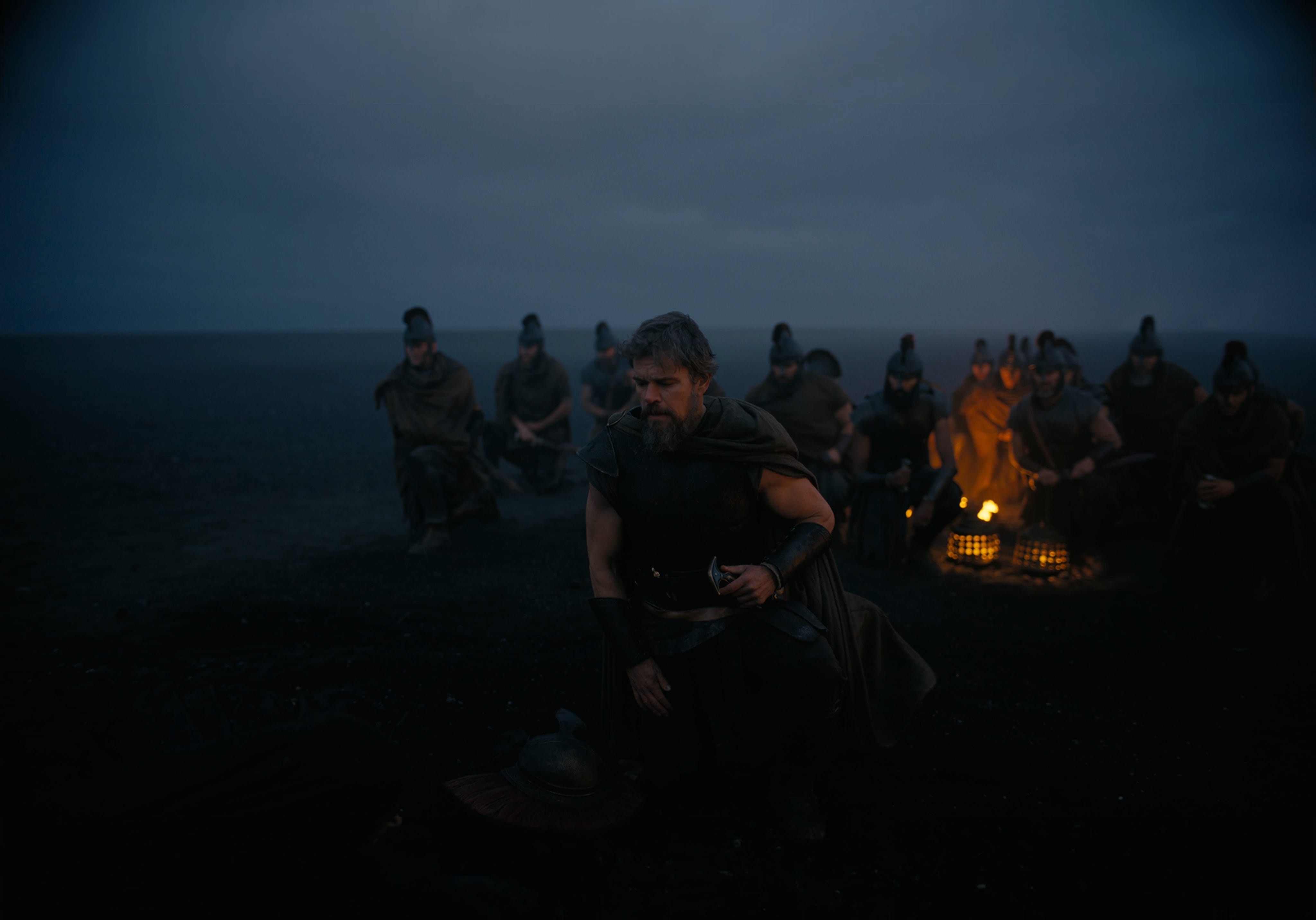
In its reframing, the film portrays the Odyssey almost as the hallucinatory fever dreams of a man who is reminiscing his traumas and can only interpret his past through mythology, an idea that remains entirely implicit but that is indirectly reinforced by a pivotal scene that occurs towards the end of the film. The wit of Odysseus is not just an instrument of deception, his intelligence is an emotional one, shaped by trauma and guilt. It is not something entirely new, as Uberto Pasolini’s The Return operates in a similar territory, but Nolan’s execution is much more elegant, more rational and in line with the character.
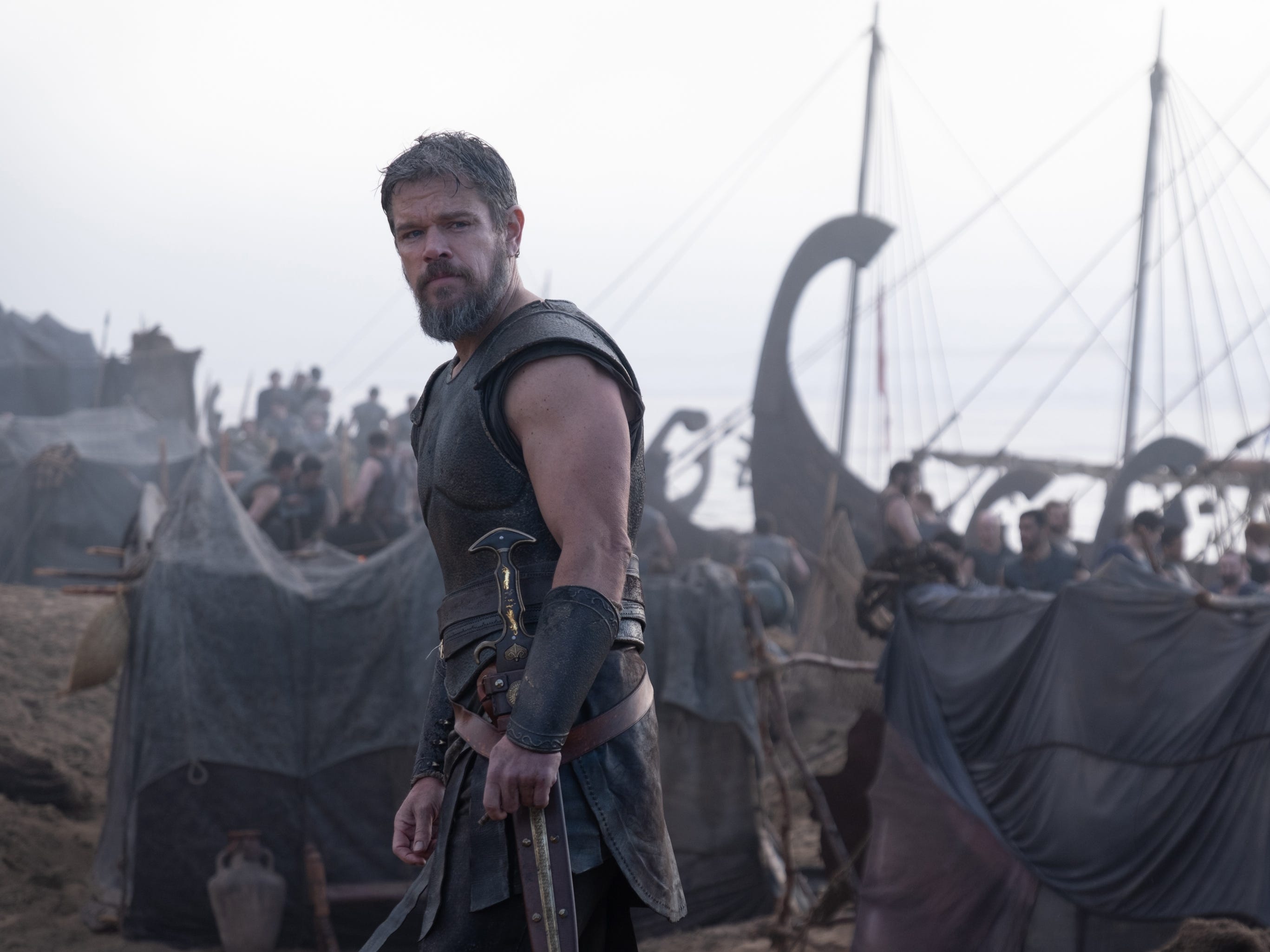
That’s the central point of the reframing that is operated in this adaptation of the Odyssey, to be traced in its factual insistence: its main concern is more the impact of a terrible war crime, a crime not just against the sacred institution of hospitality, so dear to the ancient greek mindset, but also a crime perceived as the ultimate, original standpoint of the imperialistic attitude that still today sets ablaze the world. When Odysseus’s climatic vengeance is consumed, his posture denotes a sense of decay, the end of a civilisation - a message to the posterity lost in time, something that has been Nolan’s concern increasingly since Tenet and Oppenheimer, and that gets addressed again in The Odyssey.
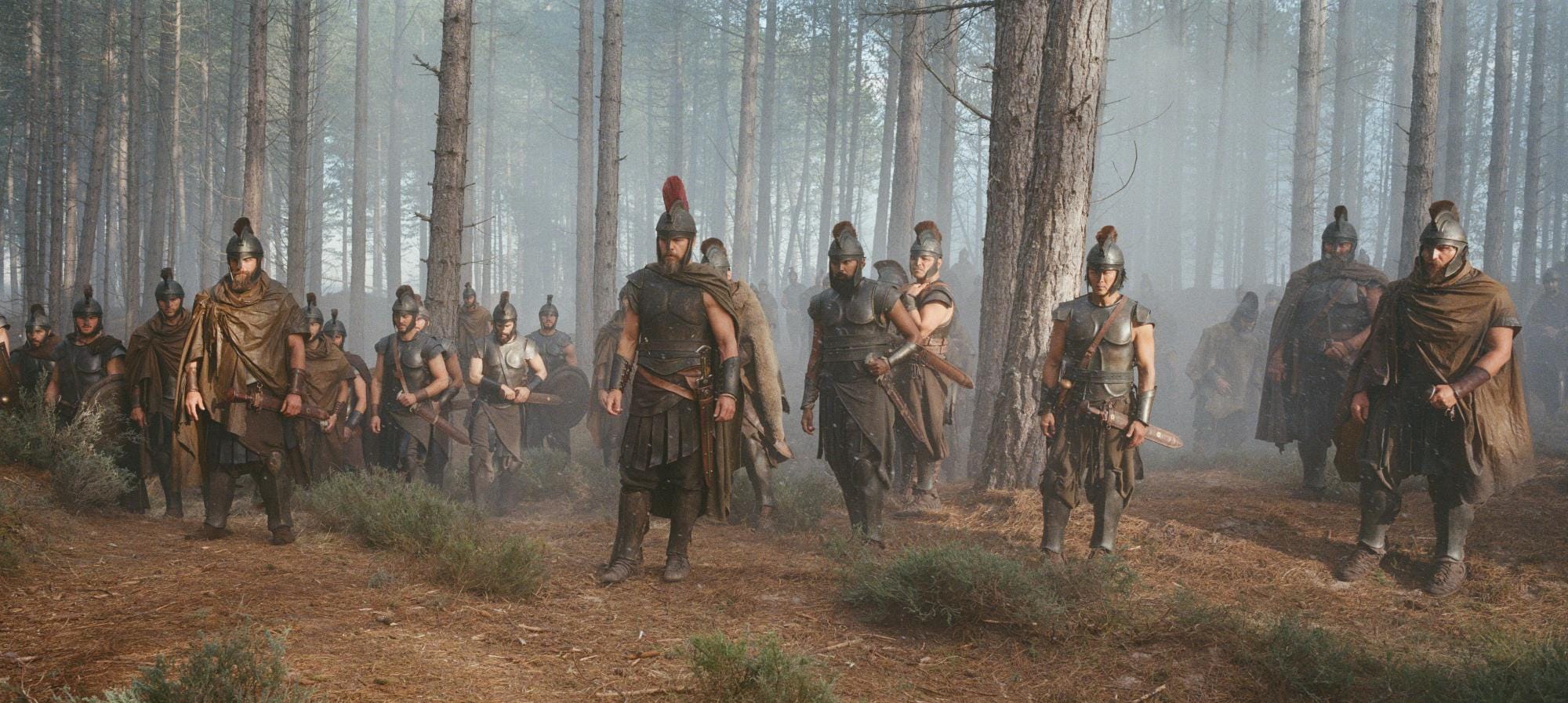
A curious idiosyncrasy results from an uneven storiographic sensibility: on one side, inadvertent historical inaccuracies (especially in the costumes) that lean more into the traditional iconography associated with greek mythology, on the other, the occasionally apt observations that reference the historical context of the Bronze Age. It is astonishing that the Sea People are referenced, for instance, or the film’s theories concerning the fall of the Myceanean Kingdoms. This aspect sometimes falls into the expositional manias that Nolan has often exhibited in his latest films. His excessive insistence on fact or name dropping that so often weighs down the pace early on does make its toll in the first act here as well, but the payoff towards the conclusion makes it worthwhile. It must be noted that the soundtrack works almost symmetrically: the instrumental choice is period accurate, while Ludwig Görannson’s arrangements denote a contemporary sensibility, resulting in an often haunting score.
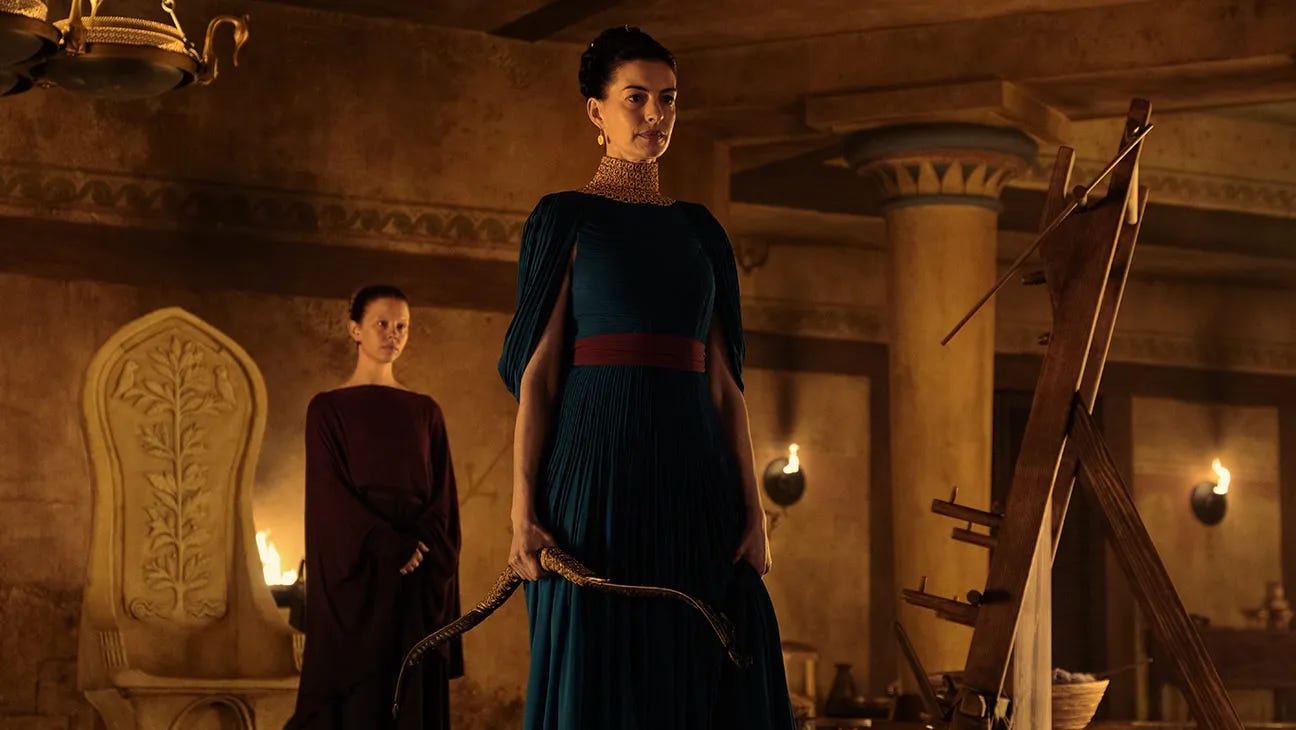
Ultimately, The Odyssey has to be a spectacle, and on that, Nolan delivers: several sequences are built on intensity and tension through a dense soundscape, a gorgeous imagery achieved through the continuous IMAX footage, the mediterranean and nordic landscapes. Even in the department of the more supernatural aspects of the film, Nolan’s entourage proves its worth (with some reserves when it comes to some digitally rendered imagery): particularly the nightmarish scenes featuring the Cyclops and Circes are worthy of note. If there’s an aspect in which Nolan succeeds, it’s definitely in rendering the sense of a large scale narrative that is evoked by the epic poem.
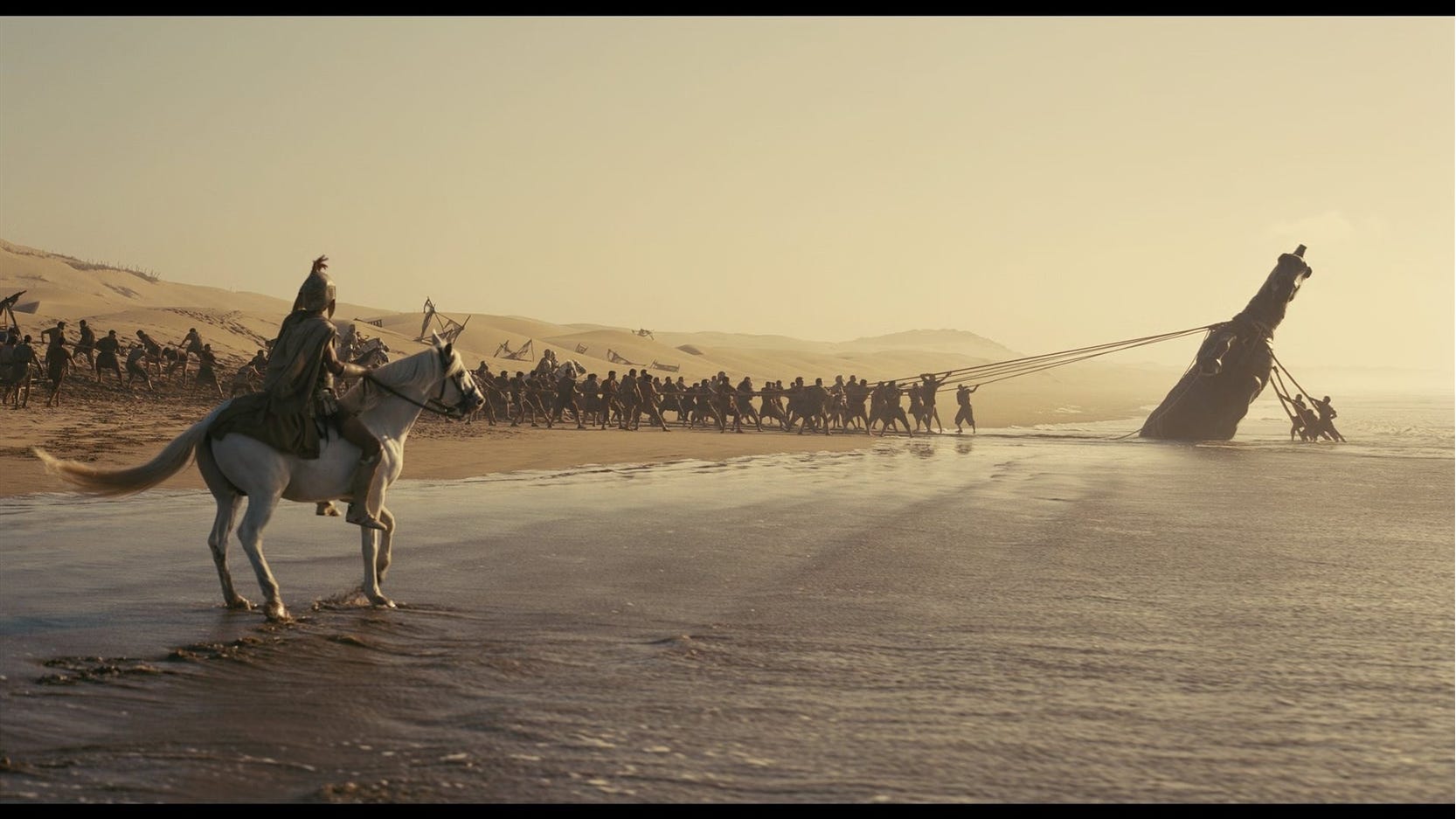
To accept certain choices that Nolan has made in The Odyssey can be a challenge, because the poem has a set of values and connotations so wide that, inevitably, no adaptation will ever be satisfying enough to address them all - and perhaps that is the very lesson to draw from this adaptation. Yet, Nolan does make a daring effort that is, if not else, at the very least possibly the most thrilling rendition of the poem to date, but that proves to be built on solid, firm grounds.
RATING: 4/5