


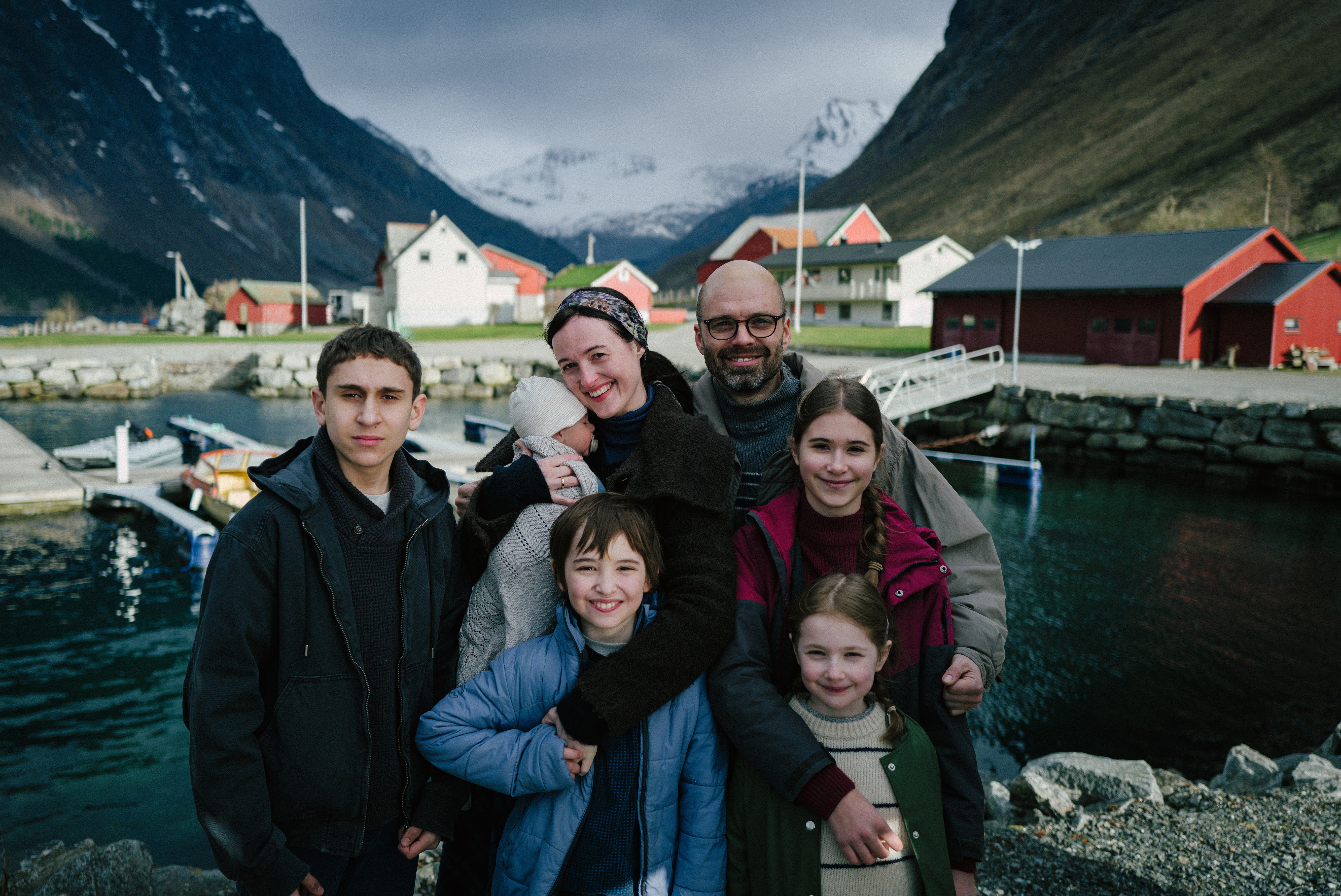
In presenting the film, Mungiu has insisted that he hopes audiences will leave the film with a different understanding they had in the first place, without their previous prejudices. This statement could be reversed: Fjord is a film capable of stirring up such a dense debate because it undeniably draws from the viewer’s own prejudices.
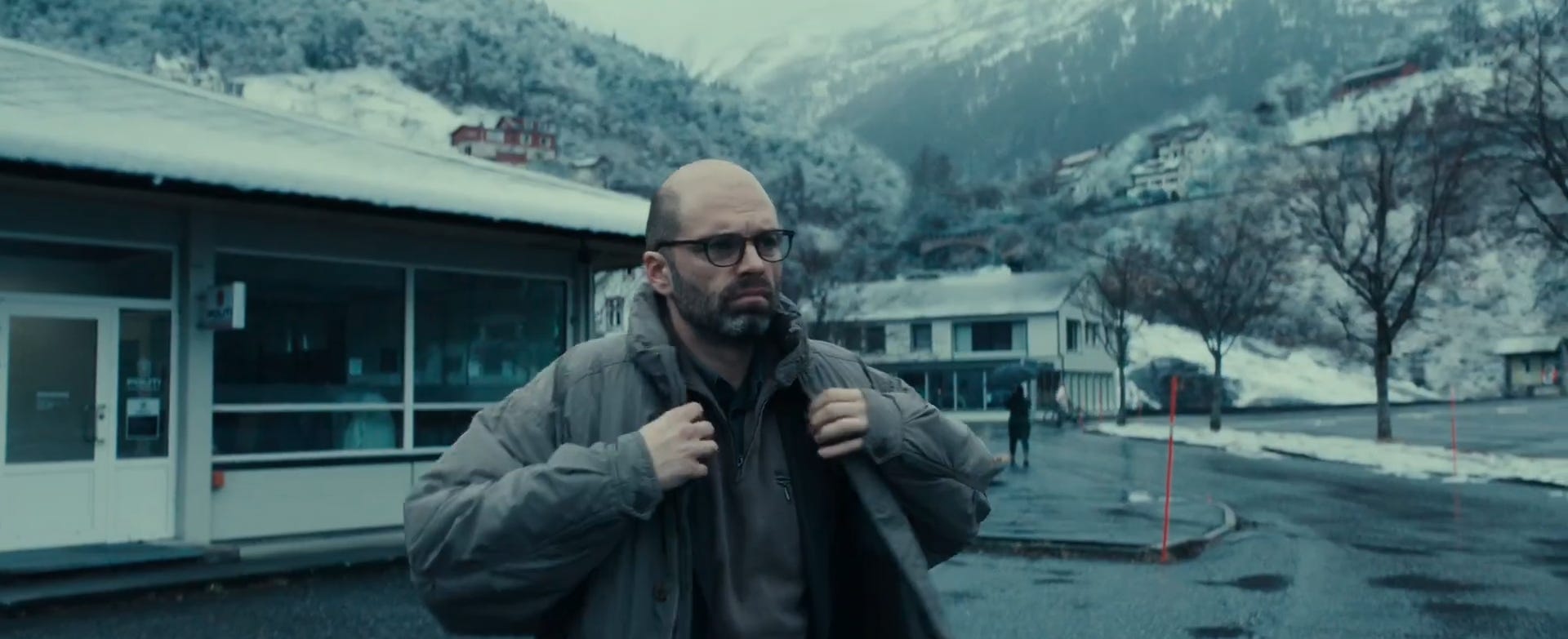
Inspired from a few real-life cases, the film features a conservative and religious family of immigrants, the Gheorighius, clashing with the norwegian child protection services after one of the children is found with bruises at school. More than ever, Mungiu cleverly provides enough context as to allow several theories to be formed: there’s enough hints at the possibility of domestic violence, mainly due to Sebastian Stan’s very specific appearance, bursts of anger, lack of self-judgement, but there’s enough situations that might have as well caused the bruises. As a result, a viewer with a conservative perspective and one with a progressive one will simultaneously see their own worldview confirmed and also denied continuously in the film, in a rift that has no single solution. As a result, Mungiu’s Fjord might very well be a prime example of a film that acts as a container, a frame of its own to be filled with the interpretation and attitudes of its viewer and that will take up any shape in accordance.
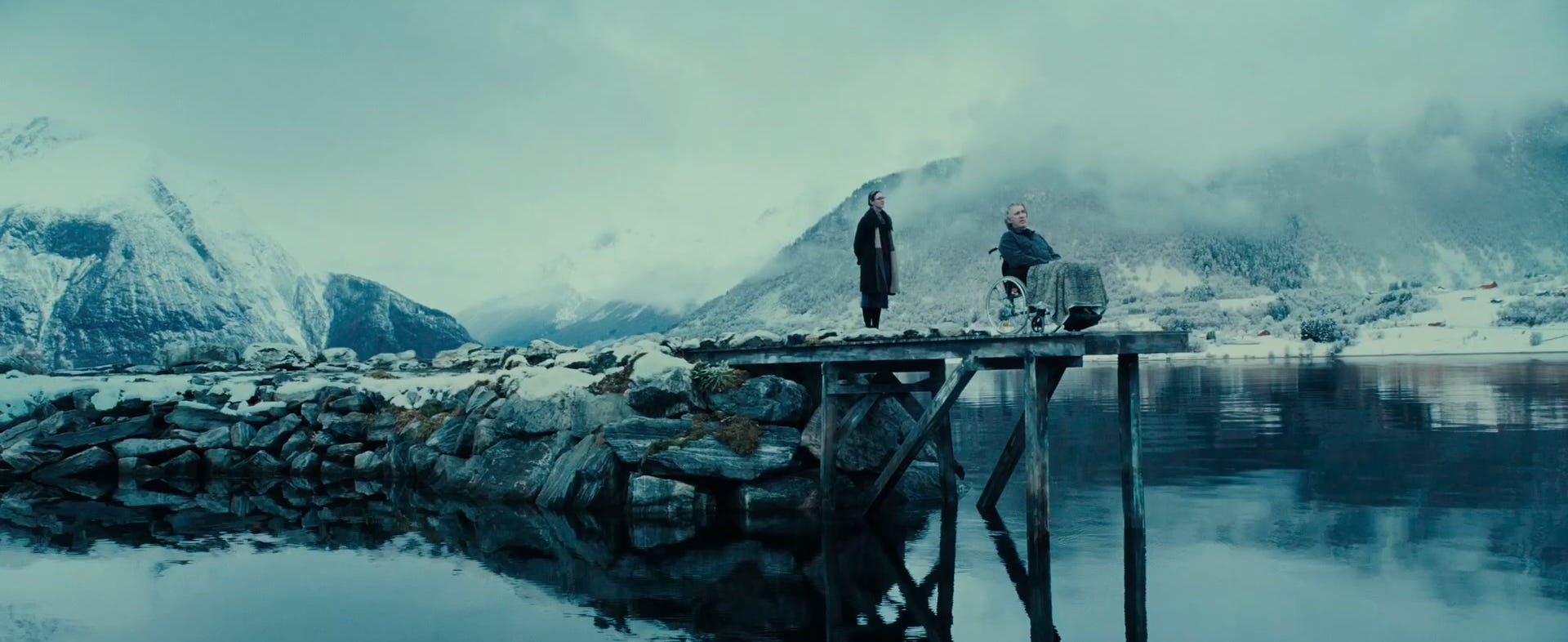
For viewers familiar with Mungiu, however, it is pretty clear that he is himself of progressive views: Beyond the Hills is one of the most striking films about christian religious fanaticism, R.M.N., while already aiming at a slightly less one-sided narration, amply criticises the anti-immigrant policies of the Orbán government that also pervaded the hungarian minority in Transilvania. Due to this continuous progressive stance, the fact that Fjord does present continuous criticisms to the norwegian policies does not fall into a pro-conservative stance, but in the recognition that a system as universally known to be the cusp of progressive society in the world as Norway still has a few flaws that need addressing — specifically, the lack of accountability for a governmental organisation that can employ vast resources to target non-conforming citizens, no matter what religious view they have. On the other side, Mungiu’s film does present, in its second half, a set of characters that really represent the political ideology that often takes advantage of religion for their own political goals, such as MAGA in the US.
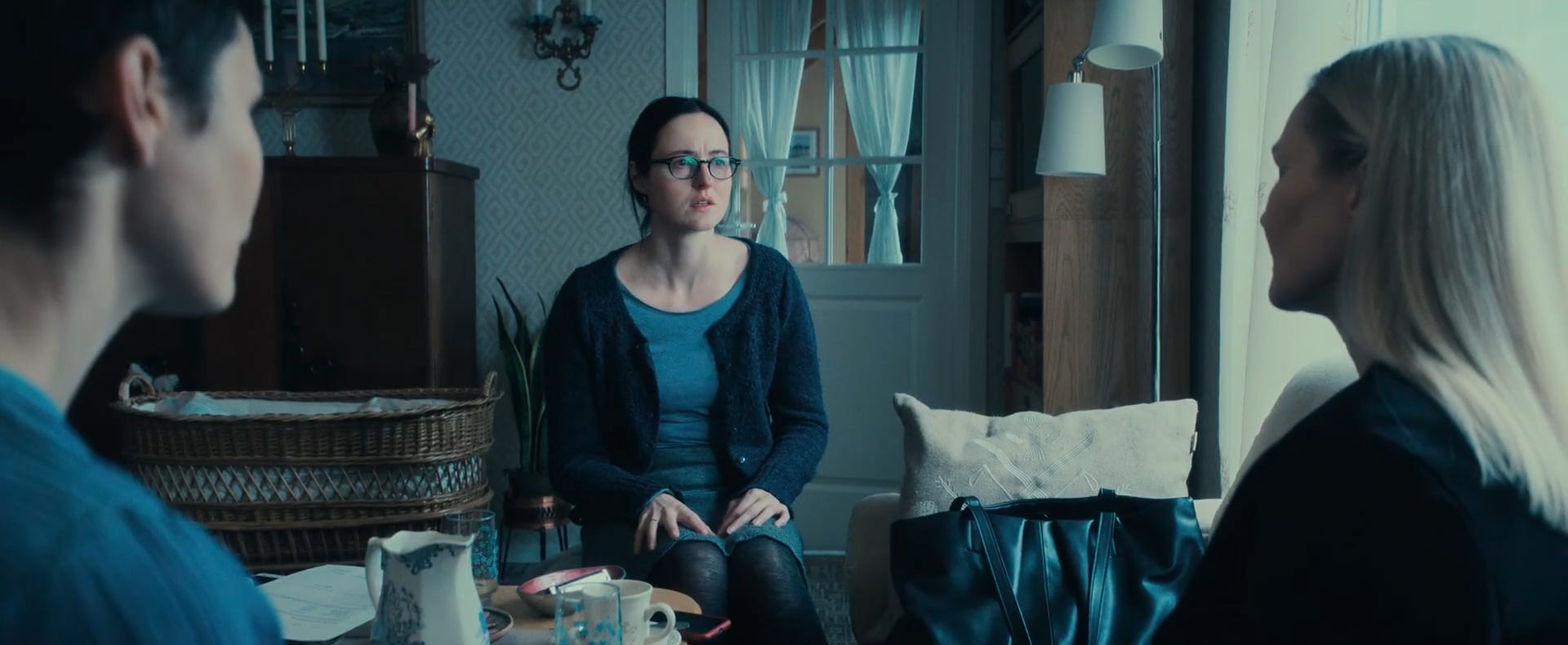
The density of the themes already highlighted so far justifies how Fjord is such a long film, and also such a good example, stylistically, of Mungiu’s filmography: with his very minimal stylistic approach, where almost each scene is filmed in one shot without any elaborate camera movements, it is the larger setting of the norwegian landscape, the background actions, that provide a certain sense of the aesthetic. Fjord is, aside from a dense film, a stunning one.
Mungiu’s visual-technical approach might have not changed, but his subtle touch into the metaphysical takes another step here. R.M.N. ended on a tone that suggested a surreal visual element, after a film entirely shot with a stark aesthetic that suggests realism. Fjord does the same, almost imperceptibly: there’s a supernatural occurence of a biblical nature, but it happens in a trivial way, almost imperceptibly, only to be brought back for the very ending of the film. The way this event associates to christian beliefs might suggest a form of religious adherence to the film, but the fact that the two characters involved are children and entertain a friendship with limited queer connotations makes the interpretation intentionally hard.
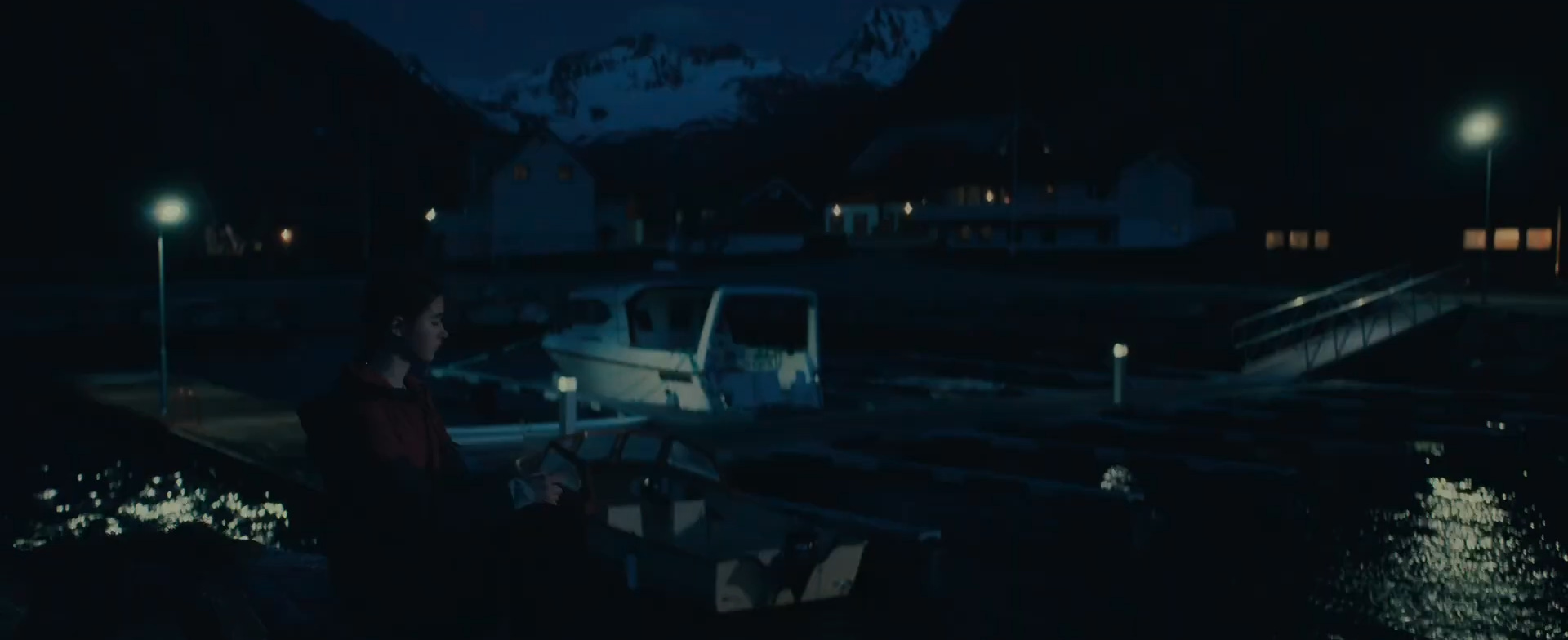
Ultimately, it is insane how Mungiu’s career has evolved: not only he has been able to achieve a level of relativism never before seen in contemporary filmmaking, but has successfully transitioned to an english language project without the usual losses in translation that many international filmmakers have. With caution, Fjord might be his best film to date.
Fjord | dir. Cristian Mungiu | Romania, Norway, France | 146 min. | Premiere: Cannes 2026 (seen at KVIFF 2026)