


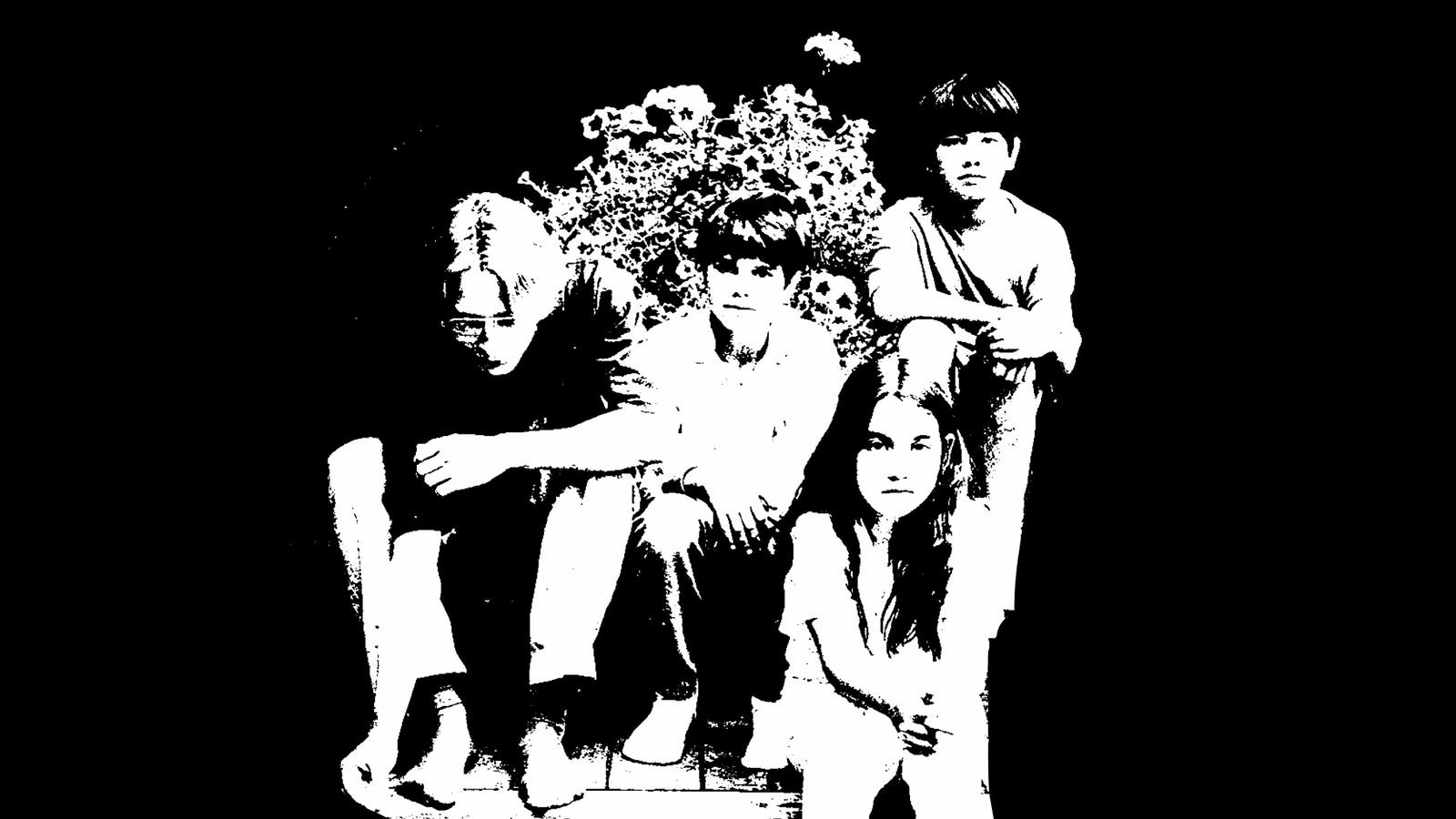
“it’s a timewarp”, says, in english, the father (Ádám Tompa) to his children as they witness the development of a photo. In more than one way, this line describes Blue Heron as a whole. Much like some of her previous short films, Canadian-Hungarian Sophy Romvari’s feature debut is a very personal fictional reinterpretation of her personal family story, almost treating cinema as the medium that can indeed warp the distance of time.
A family of canadian-hungarians moves into a new house in the nineties. During a summer mostly made up of fun memories, the eldest brother Jeremy (Erik Beddoes) starts to show signs of mental health problems, as the parents try to make sense of their child’s attitudes and cannot find proper help. The younger daughter, Sasha (Eylul Guven) slowly becomes the witnessing eye of events, until, years later, she (now Amy Zimmer) takes over the narrative as an adult.
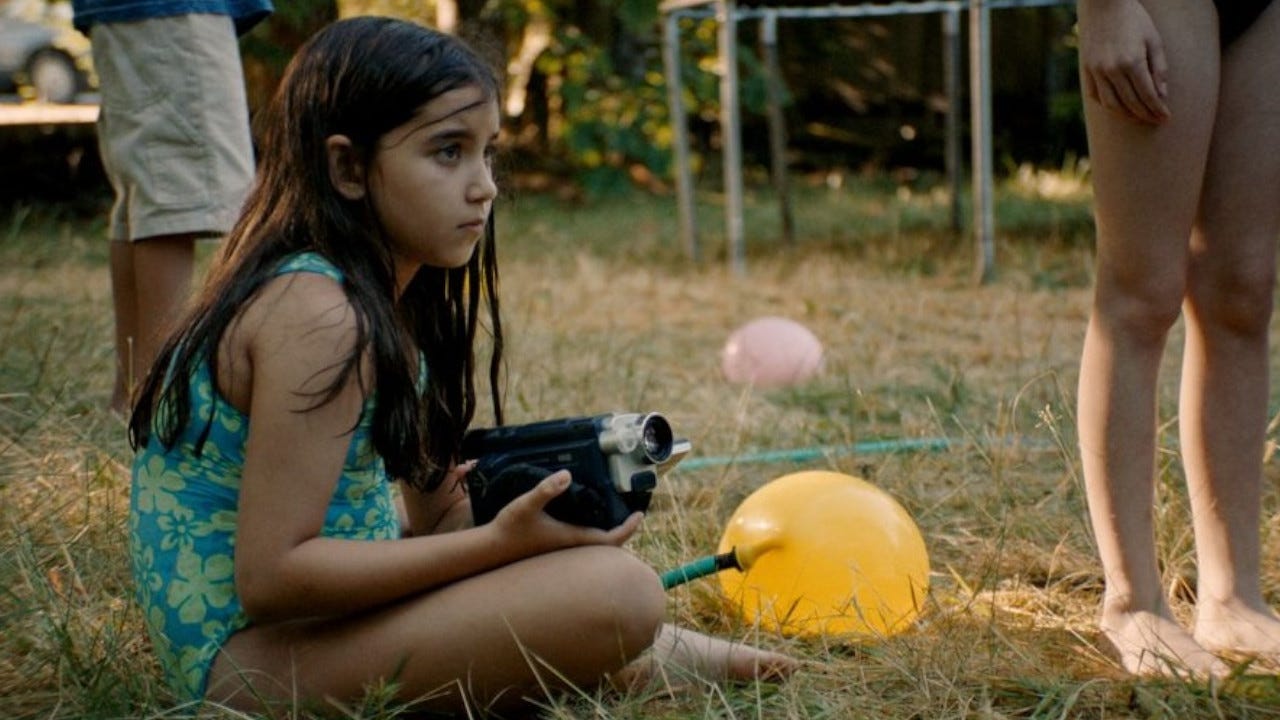
This results in Blue Heron’s dual structure, with a very sharp contrast between a nostalgic, heartfelt first act and a more cerebral but as impactful second half. The aesthetics also differ greatly: in the first half, the colour timing is warmer, the framing is more attuned to the setting, immersed into the vibrant colours of nature. To a viewer accustomed with hungarian cinema, it might even feel more “hungarian”, as its aesthetics match somewhat that of a whole plethora of hungarian independent cinema that has released in the last few years. On the contrary, the second half starts off with colder tones, with drier settings, with a more conventional framing structure. Even thematically, the first half is enrichened by the non-imposing presence of several items that reconduct to the concept of photographic art as a time-bending, or better, time-freezing medium, while in the second half, the medium is treated as a mere instrument to record more cold and detached rationalisations, attempts at explaining the causes and effects.
As a result, there is a feeling of imbalance. Amy Zimmer is exceptional in her role, but her portion of the story feels significantly less impactful than the first half during childhood: much is implied or straightaway not tackled with, and a rationalised “why” of whatever happened between past and present off-screen dominates to a point that it takes over any other question that could arise, or any feeling. The conclusion of the film, which somewhat finds a closure for the character — and perhaps, for Romvari herself — does manage to take back to the heart of the film, leading to a satisfying conclusion, but only after getting through a chapter that did not match the impact of the rest of the film.
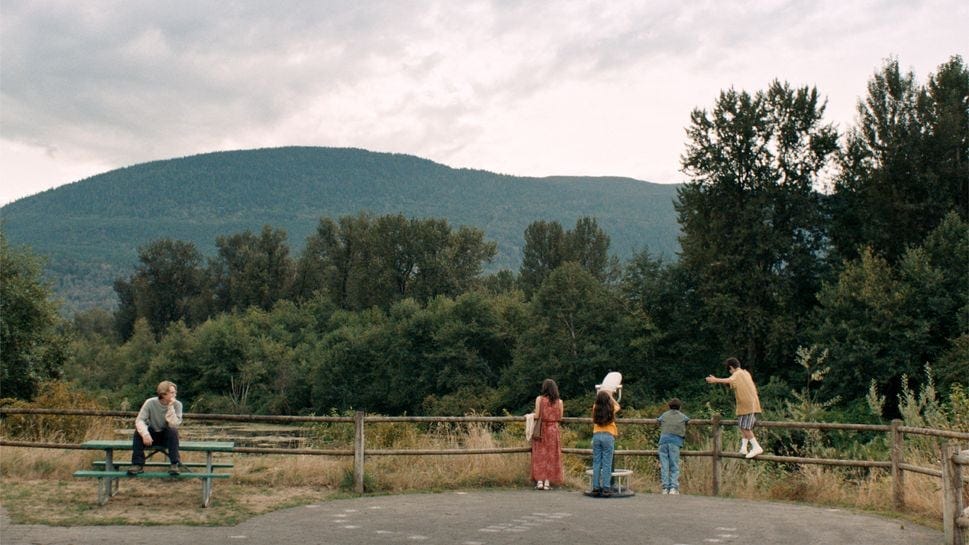
One aspect that feels neglected, be it intentionally or not, is the hungarian origins of the characters, or better, the loss of this identity throughout generations. Besides the parents speaking hungarian to each other in some occasions, and one scene in which they mention their deliberate choice of speaking english in front of the children, there’s never any other discussion concerning this aspect — at some point, it seems that Jeremy’s whole breakdown could be linked to the emigration of the family, since he barely utters any word throughout the film, but then it is revealed that he grew up entirely in Canada too, like the smaller siblings. This loss of identity is even more persistent in the second half, where it is entirely absent from any discourse. Unfortunately, Blue Heron does not concern itself at all with the identity ambiguousness sparked from being a second generation immigrant from an East European country, not even problematising the loss of such specificity — surely, it was not the main target of the film, but this a rare opportunity in which this specific identity angle could be touched, its non-presence feels frustrating, like a regrettable miss, especially seen from the perspective of a second generation hungarian emigrant as the writer of this review.
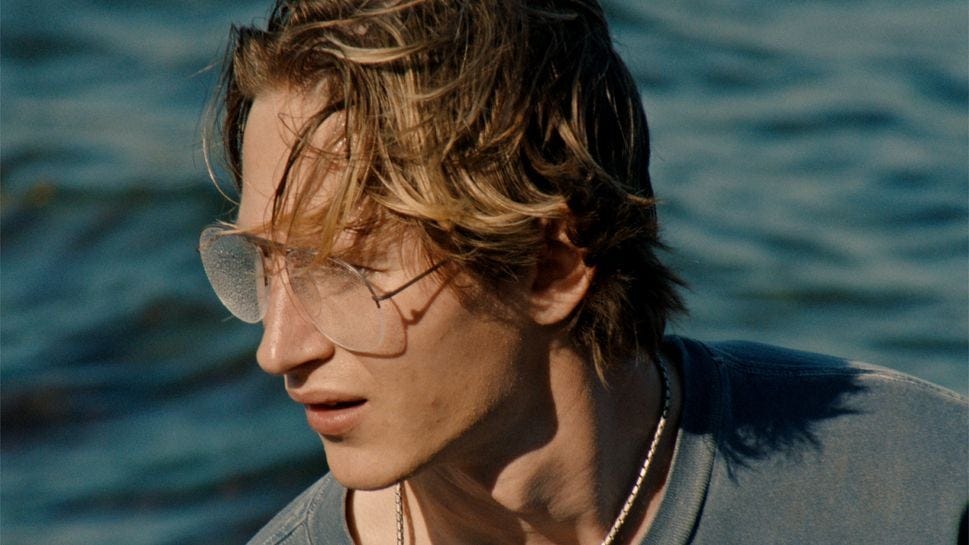
Aside from its setbacks, Blue Heron’s first half and time-crossing conclusion are not just good, they’re truly impressive, gorgeous, and the film has a deep, heartfelt soul. It may not be the ultimate film about the second generation hungarian-canadian experience, but it is not meant to be that — it is more personal, more intimate.
RATING: 4/5