


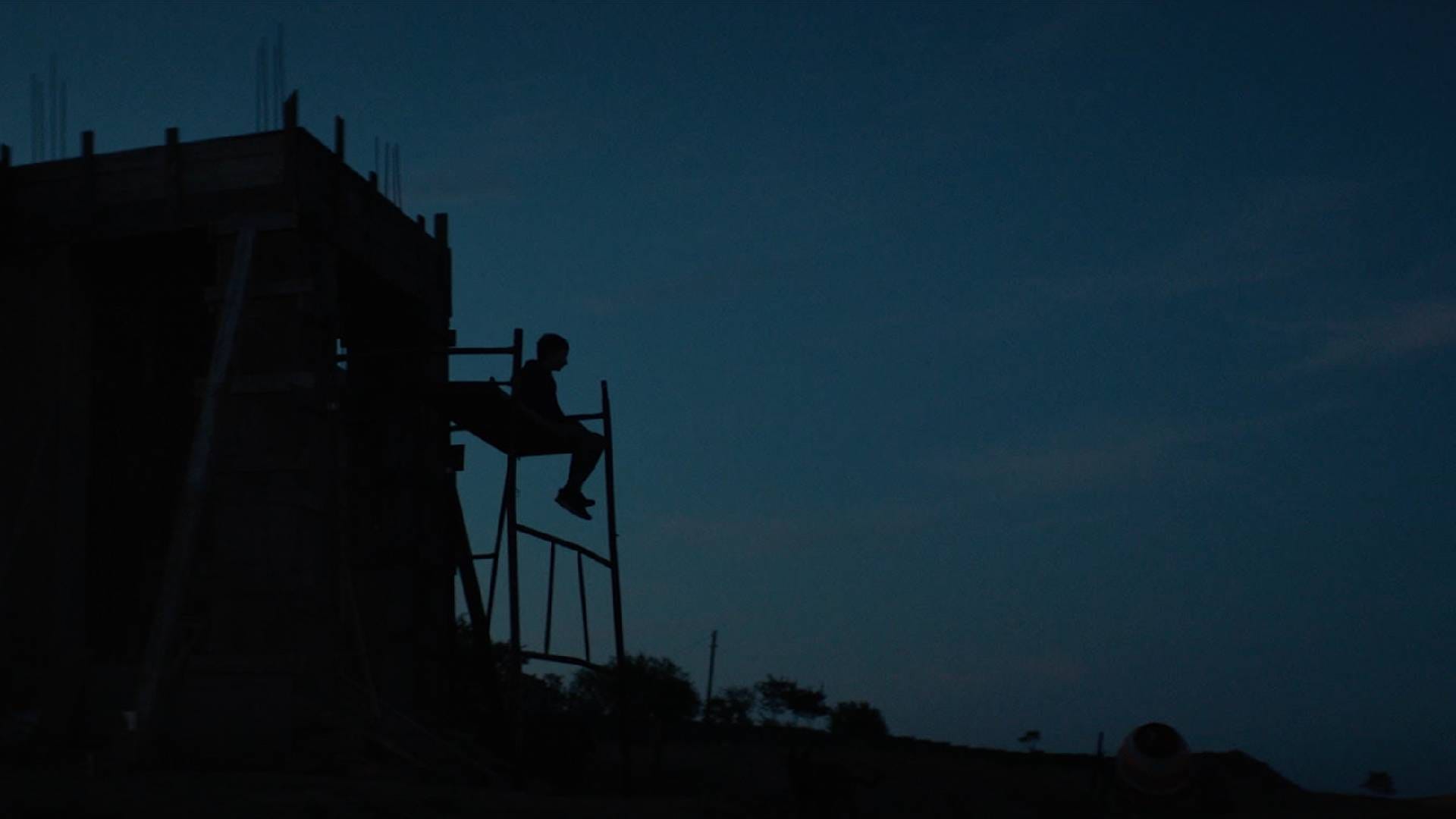
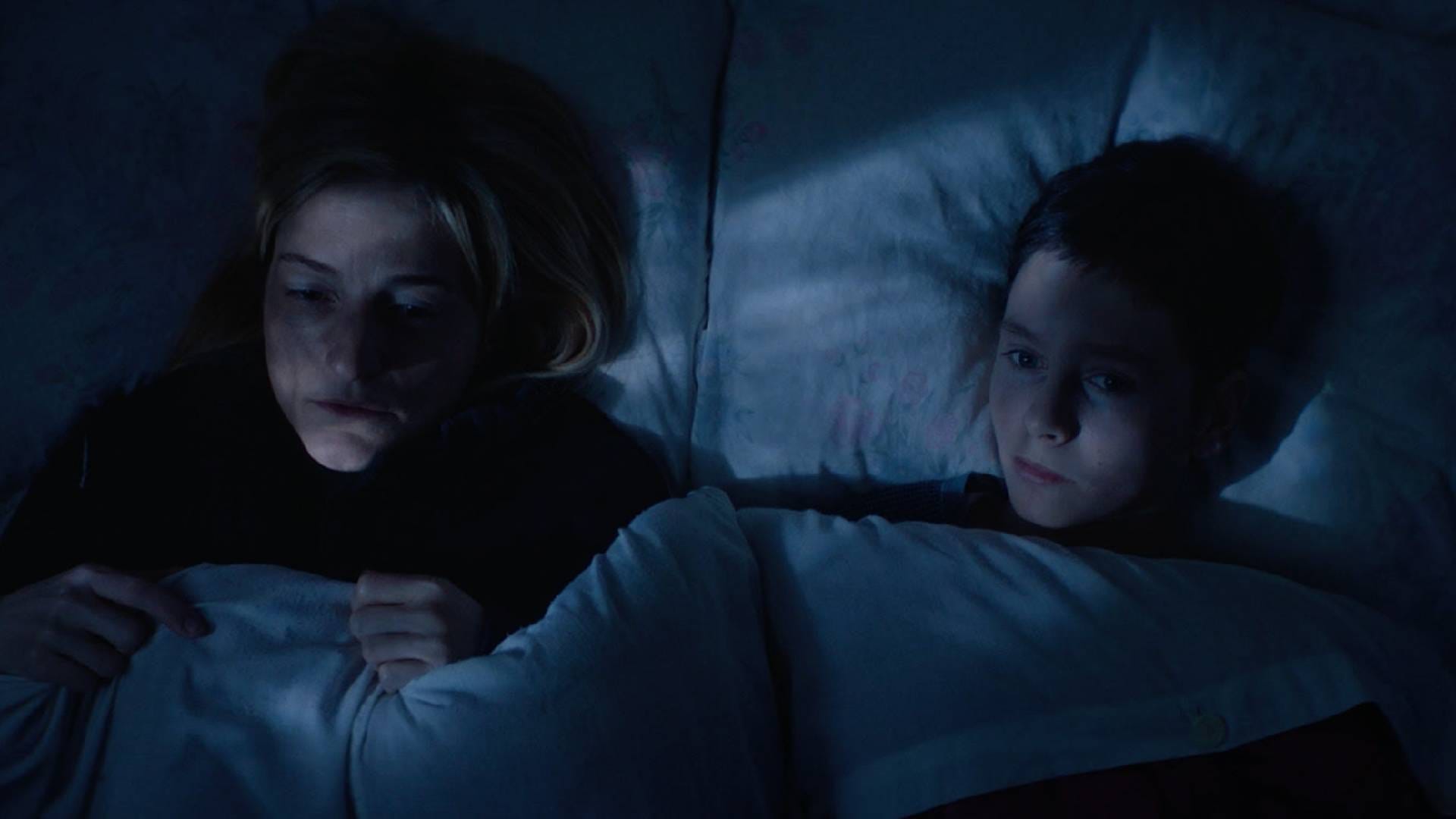
There’s a sense of magical-realist, of poetic, as A River’s Gaze juxtaposes textures of animals and people in a carefully conceived opening scene that jumps in the middle of a beautifully lit nocturne, in which the quiet silence is mildly broken by the semi-whispering voices of a mother and a son who have just moved into a beat down house in the countryside, near a branch of the Danube.
A River’s Gaze eventually does abandon this poetic tone and centering itself on a ore grounded aspect of the setting. Lavinia, a single mother with a fiery personality, is adamant to reconstruct and expand a ruined house for his teenager son to grow up in, but adolescence and the difficulties that arise from their economic status. The presence of an ex partner of the woman, a man belonging to the Roma community, further complicates the web of relationships in a setting where tolerance and discrimination often coexist within the same personalities.
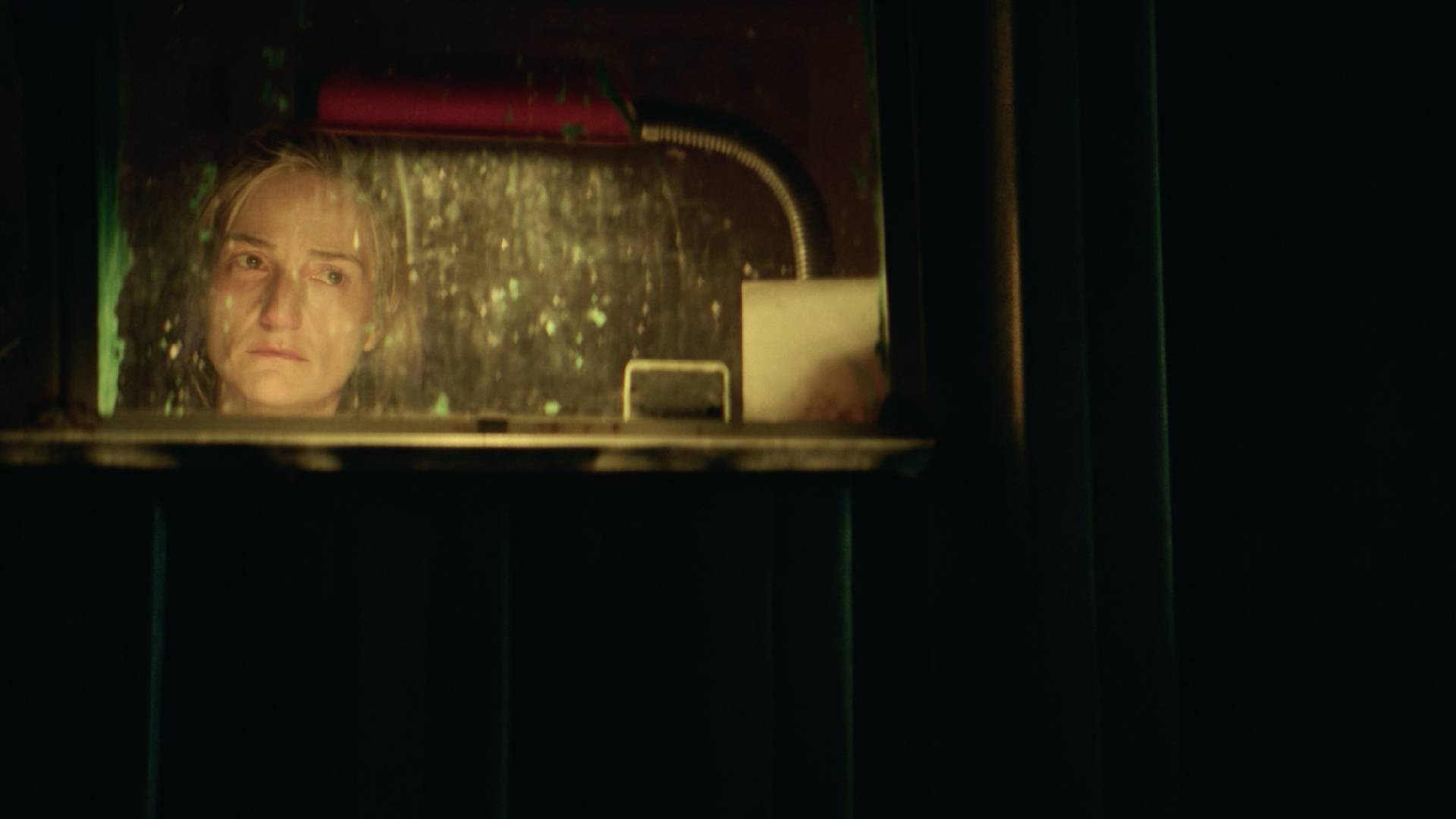
Glimpses of the poetic sense return under impressions, moments that both in the visual and the auditory break the pattern, recall that gorgeous opening sequence’s aesthetic sense, right when the film seems to have abandoned it completely. It makes for a slightly frustrating conundrum: there is a sense of awe that A River’s Gaze could have more systematically, but it feels excessively reduced compared to its potential.
Ultimately, to describe A River’s Gaze as a hybrid documentary-fiction as the director Andrea Maria Bortun often does, makes a slight disservice to the film. Save for the fact that it obviously aims to be a film about a specific reality rather than a reconstruction of it, a reconstruction it is nonetheless, a rather striking one, with non-professional actors that do not perform themselves, but portray characters conceived with a dramaturgical sensitivity, with goals and purposes. Reality indeed remains persistent, but it is carefully constructed.
Even with a sense that A River’s Gaze is a film with a purpose, a storyline and hence a meaning, it feels lost. The film ends on an arbitrary tone that does not appear as a conscious concealment of a meaning, but a sense of fatigue, that somehow there seemed to be nothing left to say, even if room for more was definitely there. The relationship between mother and son remains inconclusive, with no deeper clarification of its dynamics. The film however qualifies as a starting point for a career worth following.
RATING: 3.5/5